



The role of the CFO has moved far beyond traditional financial stewardship. Today's finance leaders are increasingly expected to influence strategy, lead transformation, strengthen resilience and create long-term business value.
Technology has accelerated the pace of change, but the bigger shift has been in what organisations now expect from their finance leaders.
At the 4th Middle East CFO Vision & Innovation Summit, finance leaders from different industries explored how the CFO role is evolving in an increasingly digital and interconnected business environment.
The discussion highlighted ten insights that continue to shape the future of finance leadership across the Middle East.
1. The Finance Function Should Create Value

Finance leaders are increasingly being challenged to rethink routine activities and identify where the finance function can contribute greater business value.
This means moving beyond reporting and compliance toward smarter capital allocation, useful benchmarking and stronger business insights supported by technologies such as AI.
The modern CFO is not simply reporting business results — the finance function increasingly helps shape those results.
2. Technology Works When People Believe in It
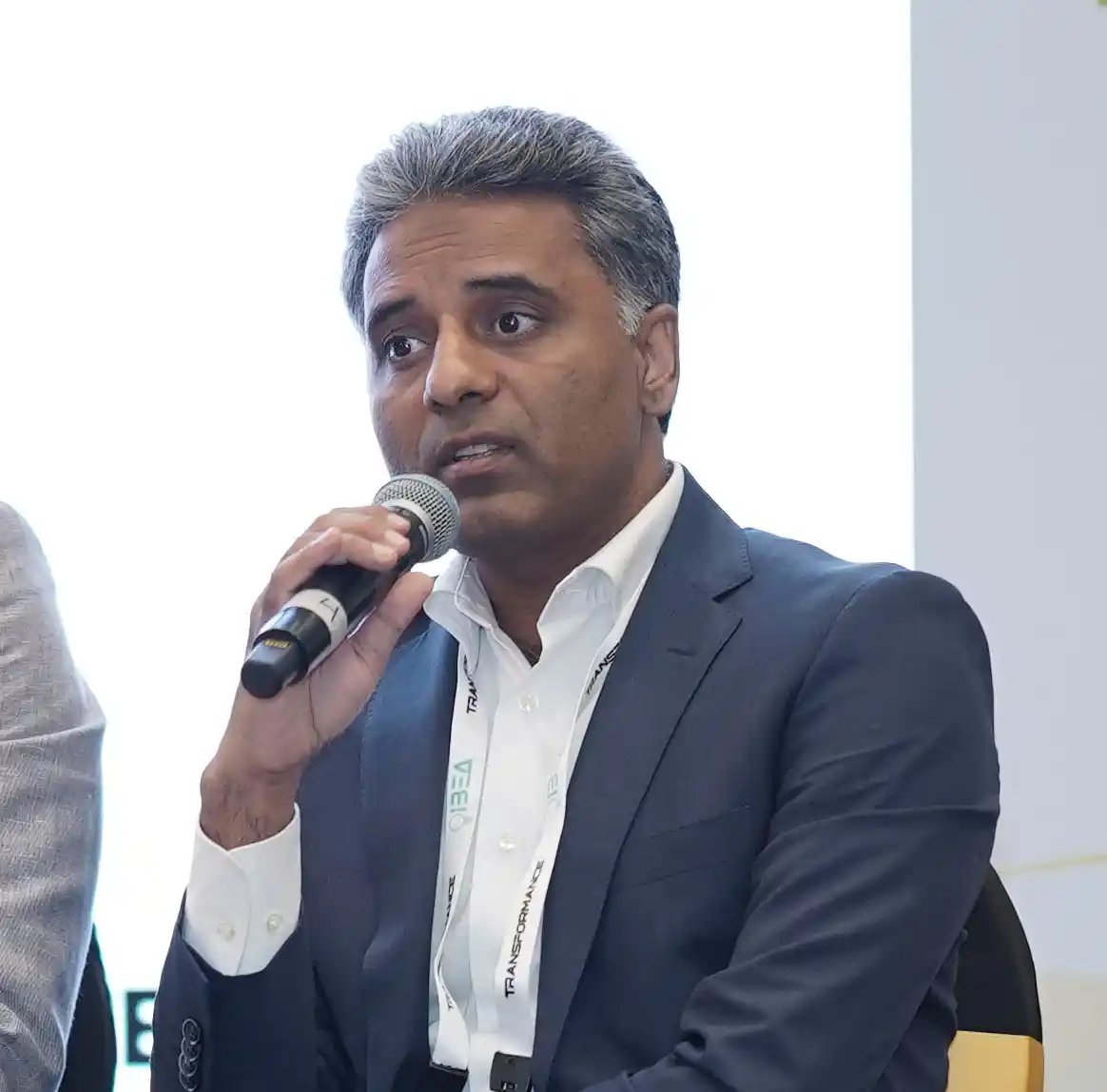
Digital transformation may begin with technology, but successful adoption ultimately depends on people.
Finance leaders need to lead from the front, demonstrate the value of change, celebrate progress and involve teams early rather than treating transformation as something imposed on the organisation.
Technology adoption becomes stronger when organisational culture evolves alongside it.
3. Collaboration Creates Better Decisions
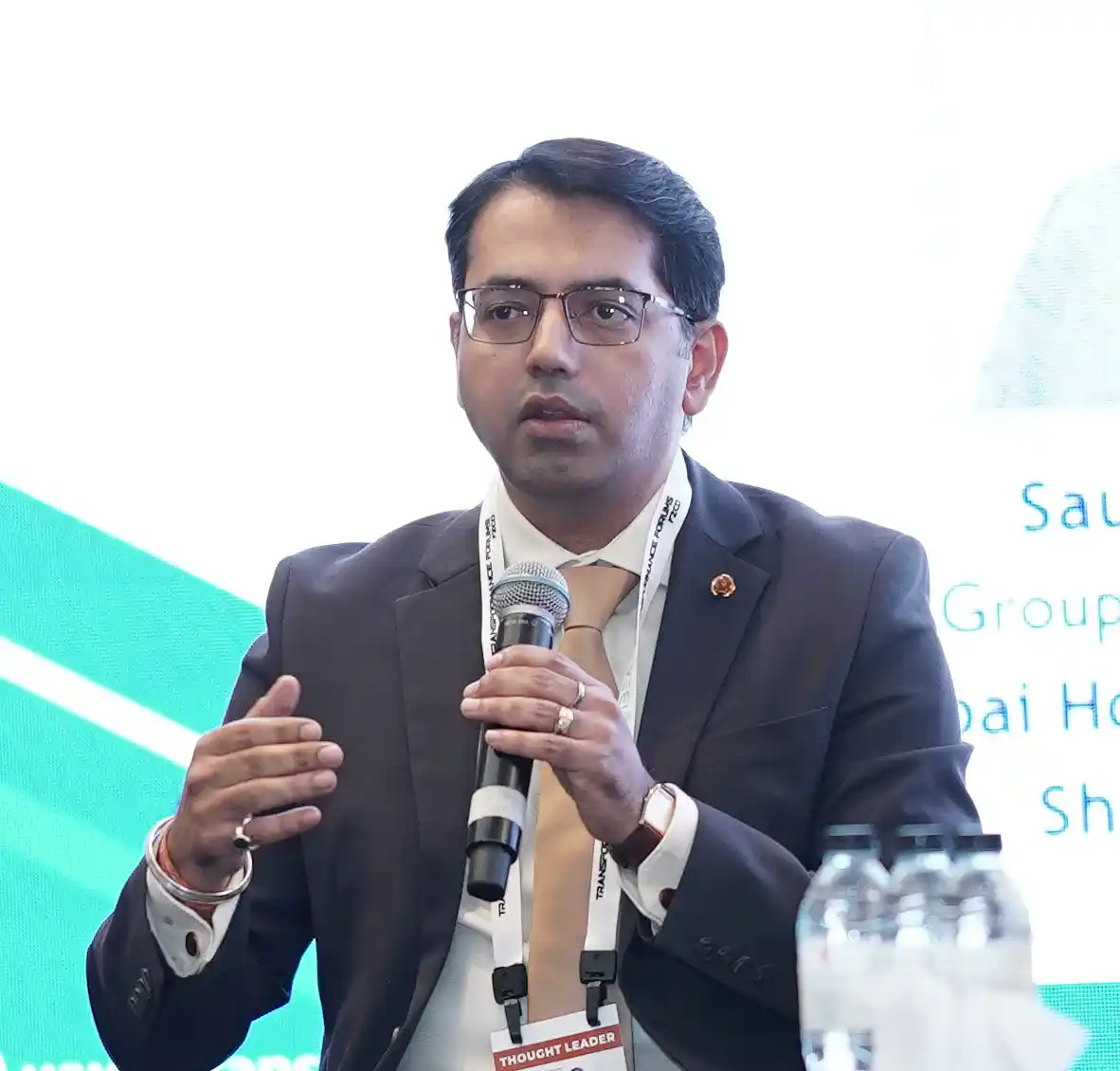
Saurabh Taparia's experience with developing a live business dashboard highlighted the importance of connecting finance with the wider organisation.
When teams share data, perspectives and accountability, organisations can improve alignment and make decisions faster.
The strongest finance functions do not operate in isolation. They work as strategic partners across the business.
4. The CFO Is Now a Transformation Leader

AI, predictive analytics and other technologies are transforming sectors ranging from manufacturing and construction to agriculture.
This places the CFO in an increasingly important position at the intersection of technology, operations and financial performance.
Finance leaders need to understand how the business operates and connect technology investments with measurable financial outcomes.
CFOs who understand the wider business can turn transformation into measurable value.
5. Innovation Needs Strong Governance

Innovation can only scale sustainably when governance, risk management and compliance are considered from the beginning.
Rather than slowing innovation down, strong governance can give organisations the confidence required to experiment, scale and create sustainable value.
Good governance creates the confidence and trust required for responsible innovation.
6. Innovation Doesn't Always Need a Big Budget

Innovation does not necessarily require large-scale investment.
Practical experimentation, focused improvements and low-cost solutions can sometimes deliver more useful outcomes than heavily engineered projects.
The focus should remain on solving the right problem and creating measurable value rather than pursuing technology for its own sake.
Innovation starts with purpose. Perfection is not always necessary to create progress.
7. Cost Optimisation Is About Better Decisions
Cost optimisation is becoming less about simply reducing expenditure and more about understanding where money creates the greatest strategic value.
Finance leaders highlighted the importance of identifying cost drivers before making cuts and using efficiency gains to strengthen innovation and long-term growth.
The objective is not simply to spend less. It is to allocate resources more intelligently.
8. AI Must Be Balanced with Accountability
Artificial intelligence will continue to reshape finance, from automation and analytics to decision support.
But as AI becomes more embedded in finance processes, governance, ethics, accountability and transparency become equally important.
Finance leaders have a critical role in ensuring that technology increases confidence rather than creating uncertainty.
Responsible innovation creates stronger and more sustainable value.
9. Strategy Has Become a Core Finance Responsibility
The responsibilities of finance leaders continue to expand beyond traditional financial management.
Today's CFO increasingly contributes to corporate strategy, customer experience, sustainability and enterprise-wide transformation.
The modern CFO connects strategic thinking with execution across the organisation.
10. Progress Happens Faster When Leaders Learn Together
Transformation is rarely achieved by one function or one individual.
Sharing experiences, learning from peers and building stronger finance communities can help leaders navigate change with greater confidence.
The future of finance will therefore depend not only on technology, but also on how effectively leaders learn, collaborate and share what works.
Strong finance leadership grows through continuous learning and collaboration.
Looking Ahead
The conversations from the previous edition continue to shape how finance leaders approach technology, governance, innovation and business transformation.
As the role of the CFO continues to evolve, these themes remain highly relevant for organisations preparing for the future.
The 5th Middle East CFO Vision & Innovation Summit & Awards 2026 will continue these conversations, bringing finance leaders from across the region together to exchange ideas and explore the opportunities shaping the future of finance.
The next chapter of finance leadership will be shaped by leaders who combine financial discipline with technology, strategy, innovation and human judgement.
Middle East CFO Community