


Every summit creates conversations. Some inspire ideas, while others leave a lasting impact.
The 4th Middle East CFO Vision & Innovation Summit brought together finance leaders from across the region to explore how the CFO role is evolving in a rapidly changing business environment.
Technology continues to advance, business priorities continue to shift, and expectations placed on finance leaders continue to grow.
Yet many of the insights shared during the summit remain highly relevant as organisations across the Middle East prepare for the next phase of growth and transformation.
Here are five leadership lessons that continue to shape the finance agenda across the region.
1. Finance Is About Shaping Direction
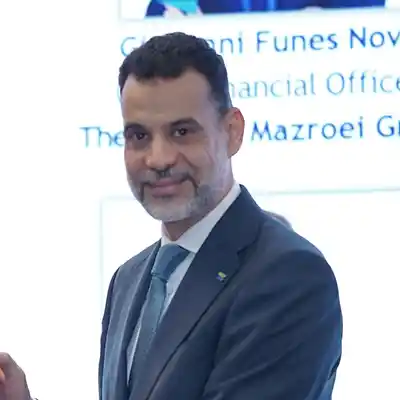
One of the standout conversations from the previous summit challenged the traditional understanding of finance leadership.
"We're not managing money anymore—we're managing direction."
— Ali Abouda, Group Chief Financial Officer, Etihad Energy Holding
The message reflects the expanding responsibility of today's CFO. Finance leaders are increasingly involved in investment decisions, transformation initiatives and the long-term strategic direction of their organisations.
The modern CFO is not only responsible for protecting value — the role increasingly involves helping create value and shape the organisation's direction.
2. Sustainability Is Now a Financial Conversation
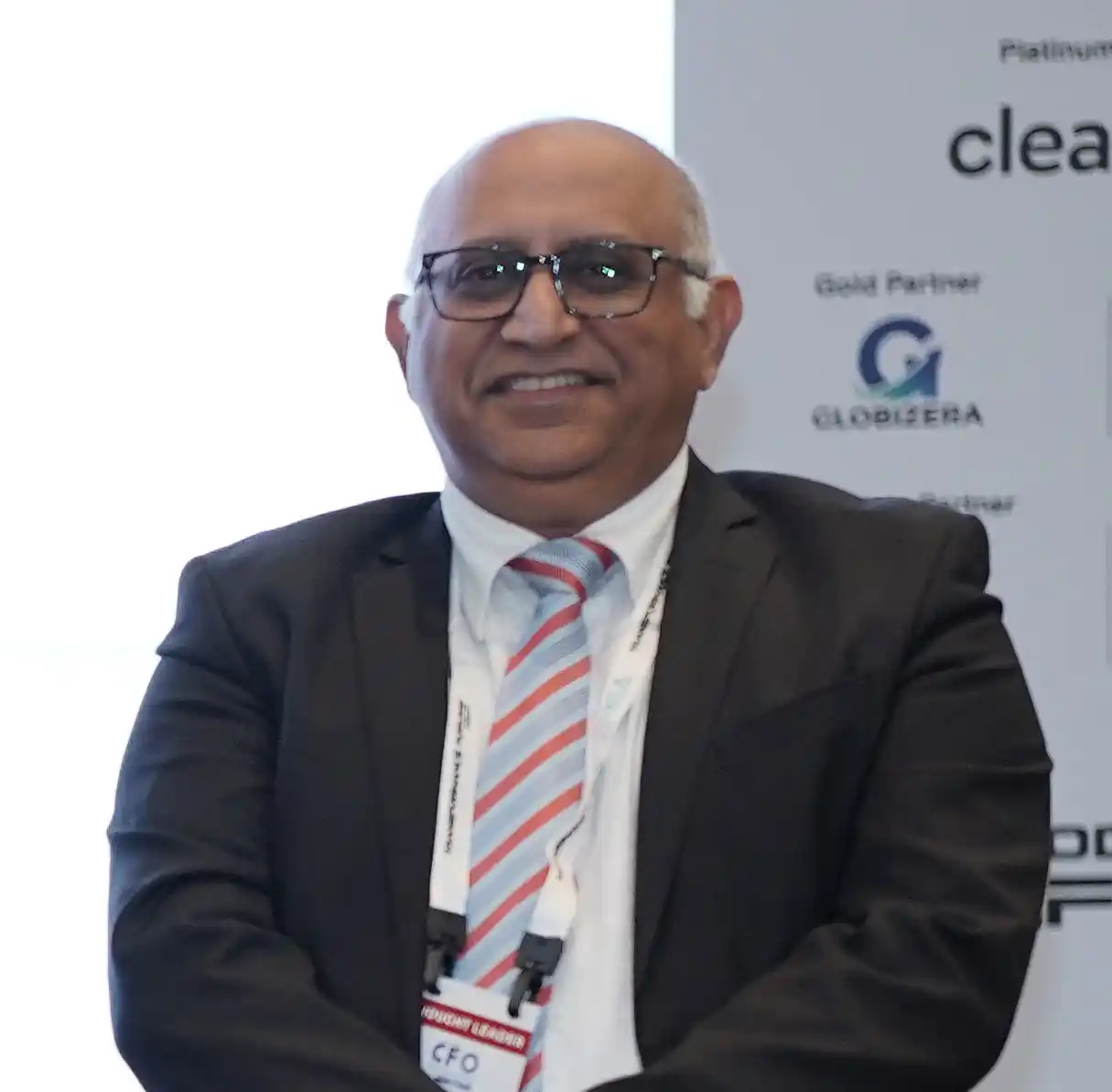
Sustainability is moving beyond its traditional role as a compliance consideration.
ESG considerations are increasingly influencing investment decisions, stakeholder confidence and long-term business performance.
"Sustainability isn't a cost centre—it’s a credibility centre."
— Dhiraj Wadhwani, CFA, CPA
Organisations that connect sustainability with financial planning can strengthen stakeholder relationships while creating a more resilient foundation for long-term value.
Responsible business practices and financial performance are becoming increasingly interconnected.
3. Technology Creates Value When Its Impact Is Measured
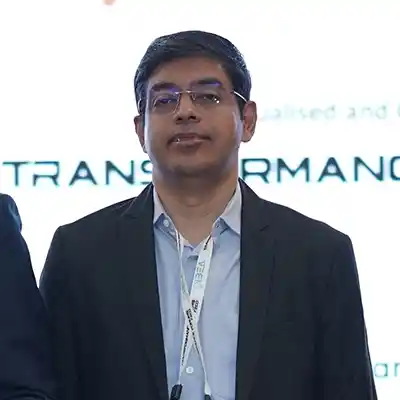
Artificial intelligence, automation and digital transformation continue to reshape the finance function.
However, technology alone does not guarantee successful transformation or business value.
"Transformation doesn't fail because of technology—it fails because we stop measuring after launch."
— Sujay Sarkar, Global CFO, Advanta Seeds
Digital initiatives should therefore be approached as business investments, supported by clear ownership, accountability and measurable outcomes.
Innovation creates meaningful results when finance continues to measure its impact.
4. Trust Will Matter More Than Automation
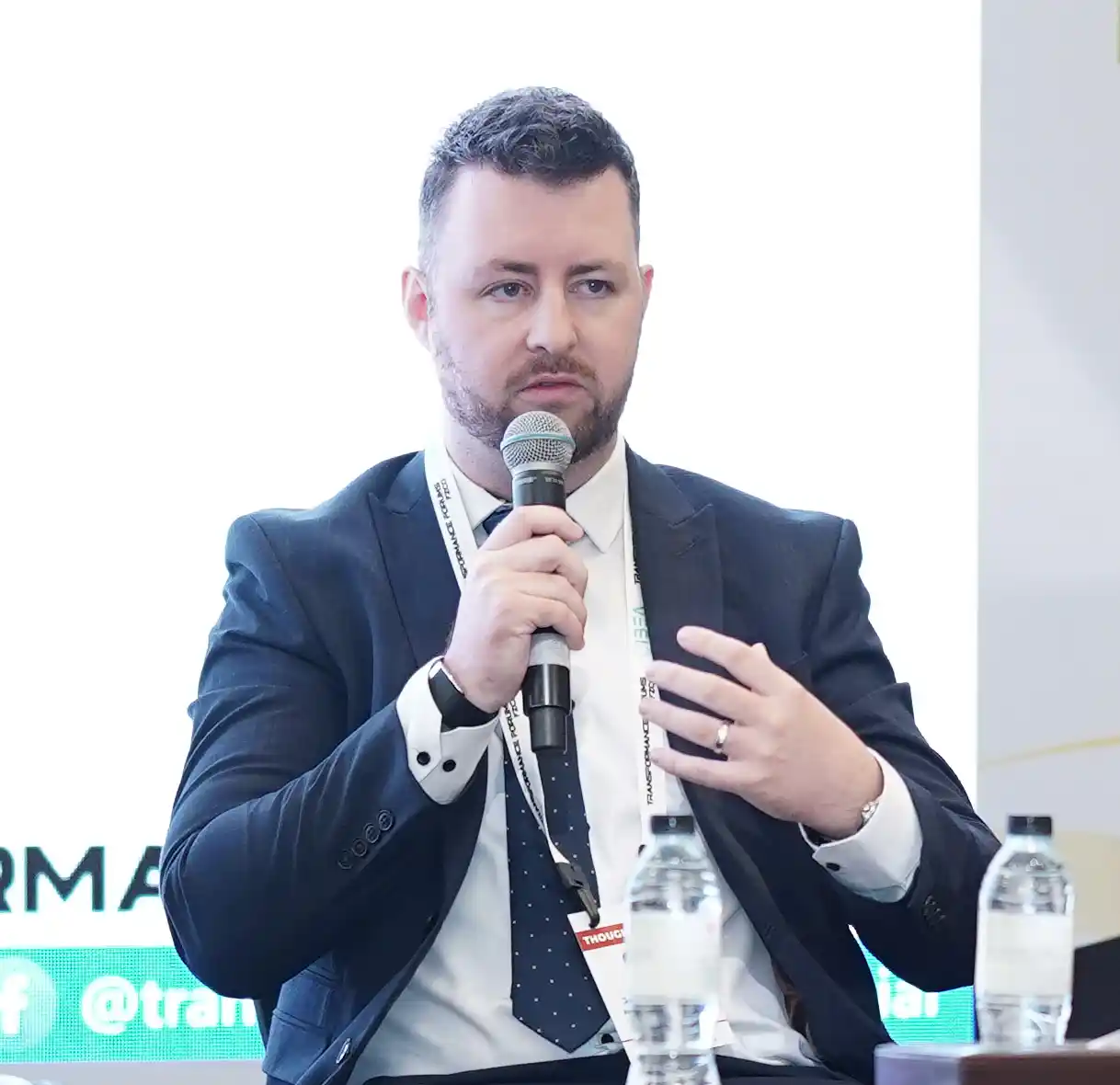
As finance organisations automate an increasing number of processes, governance, judgement and leadership become even more important.
"Automation gives speed; judgment gives credibility."
— Jonathan Doolan FCCA, Head of Finance, IFZA
Technology can improve efficiency, but organisational trust still depends on human leadership, ethical decision-making and effective governance.
Automation should strengthen leadership and decision-making rather than attempt to replace them.
5. Agility Is Built Through Alignment
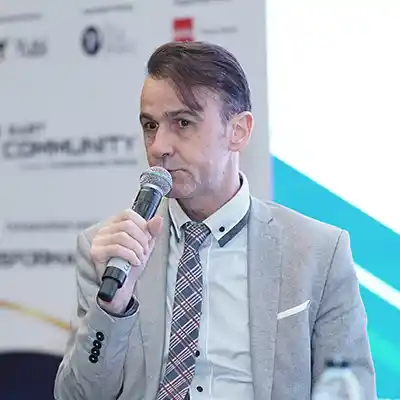
Agility is often associated with speed. However, sustainable organisational agility requires different functions to move together toward a shared objective.
"Agility isn't speed—it’s synchronized evolution."
— Giovanni Funes Nova, Chief Financial Officer, Bahri & Mazroei Group
Real transformation happens when finance works alongside technology, operations, HR and sustainability rather than operating in isolation.
The strongest organisations are those where every function is aligned around the same strategic direction.
Looking Ahead
The conversations from the previous edition continue to influence finance leaders across the Middle East.
As organisations accelerate digital transformation, strengthen governance and pursue sustainable growth, the role of the CFO continues to evolve.
These themes will continue to shape the conversation at the 5th Middle East CFO Vision & Innovation Summit & Awards 2026, bringing finance leaders together to exchange ideas, share experiences and explore the future of finance across the region.
The strongest insights don't end when the summit closes.
They become the starting point for the next conversation.